 Boujee Kids
A Stokke high chair costs £700. A Burberry trench for a 4-year-old is £350. A Grimm’s rainbow is £90. A Jellycat is £20. We get asked which of these are worth the money. The honest answer is: most of them are. The question isn’t “expensive vs cheap”, it’s “expensive vs disposable”.
Premium isn’t expensive versus cheap. It’s expensive versus disposable.
Most of the editorial work on this site is about a specific product. This piece is about a pattern: the best premium kids buys tend to be either (1) big-brand pieces that are genuinely better-made and hold resale value, or (2) small-maker pieces built to outlast the child. Both are worth the money. The products that aren’t worth the money are the ones in the middle, mid-tier brands charging 80% of the Burberry price for 30% of the build quality.
What “premium” actually means here
Three things, in order of importance: (1) the product outlasts the child who uses it; (2) the product holds enough resale value that the net cost is lower than the disposable alternative; (3) the product is well-made enough that it doesn’t annoy the parent who has to look at it for ten years.
Most of the products on this site pass all three. A few fail one. A handful, the Stokke, the Steiff, the Grimm’s, pass all three by enough margin that they’re bargains compared to the alternatives.
Eight products. £20 to £1,500. The same score column.
Premium Gear: Stokke Tripp Trapp High Chair
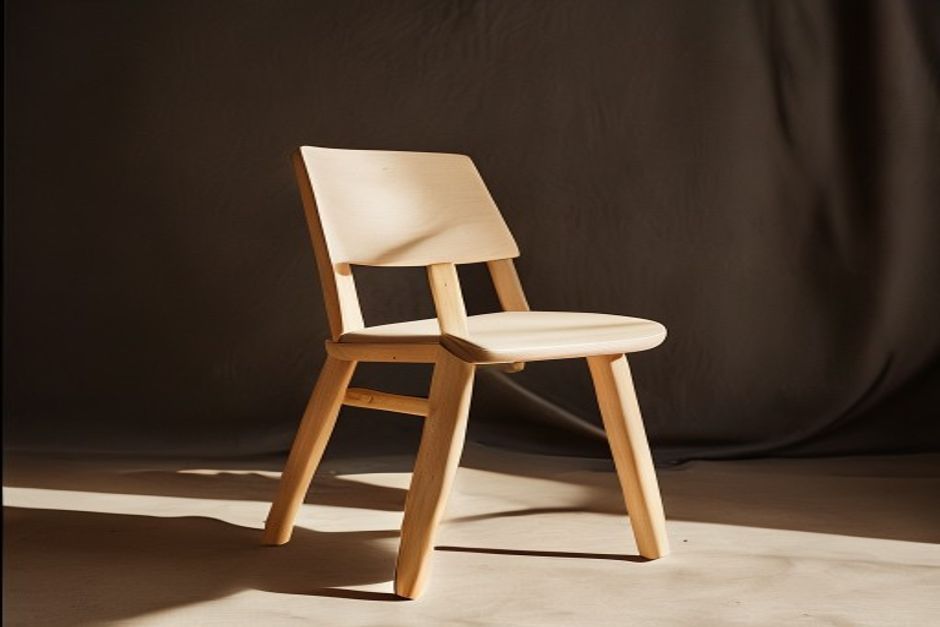
Stokke · Tripp Trapp high chair, beech
The Stokke Tripp Trapp, The High Chair That Pays for Itself
Adjusts from newborn lounger to adult chair. Lasts three children, then resells for ~40% of RRP. Compared to the £80 IKEA Antilop replaced every 18 months, the Tripp Trapp is cheaper over a decade. That’s the only argument that matters.
Where to buy
£700, used by three children, then sold for £300. The maths works.
Big Brand: Burberry Kids Check Cotton Trench
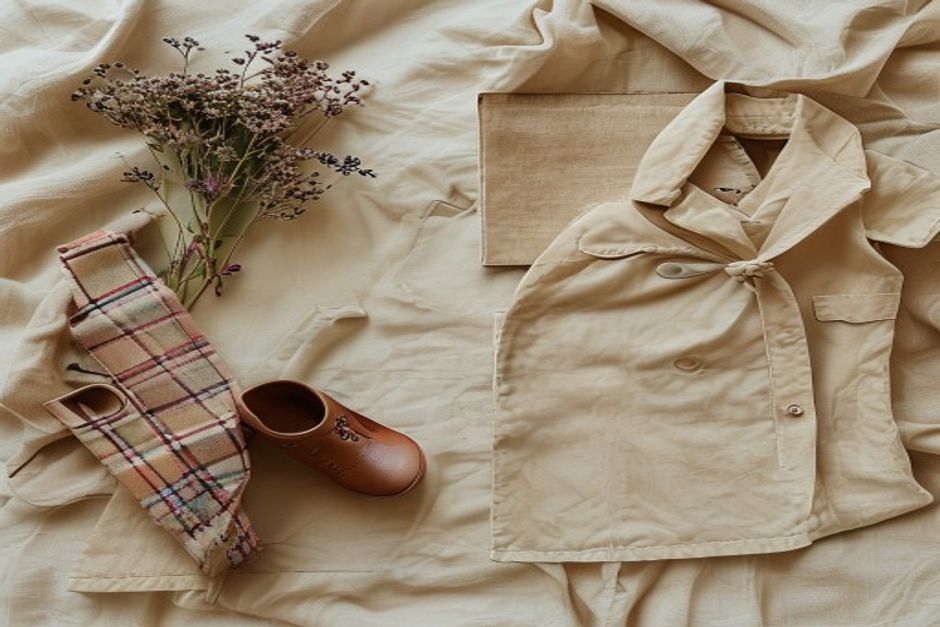
Burberry Kids · check cotton trench, £70 to £74
Review: Burberry Kids, Which Pieces Are Worth the Price
The cotton trench is genuinely better-made than any high-street equivalent, lasts three children, and the resale value holds. Everything else, the polos, the sweatshirts, the mini-me check scarves, is paying 5× for the logo. Here’s the piece-by-piece breakdown.
Where to buy
The logo earns its keep, but only on this one piece.
Premium Maker: Steiff Classic Teddy Bear

Steiff · Classic Teddy Bear, mohair, 40cm
Review: The Steiff Classic Teddy Bear, Worth Every Penny
Hand-stitched eyes (the “button in ear” trademark), mohair, stuffed with wood-wool. The 1880 original in our editor’s house still has all its joints. Not for under-3s; for the child you’re prepared to give an heirloom to.
Where to buy
A teddy bear with a 140-year engineering pedigree.
Big Brand: Jellycat Bashful Bunny
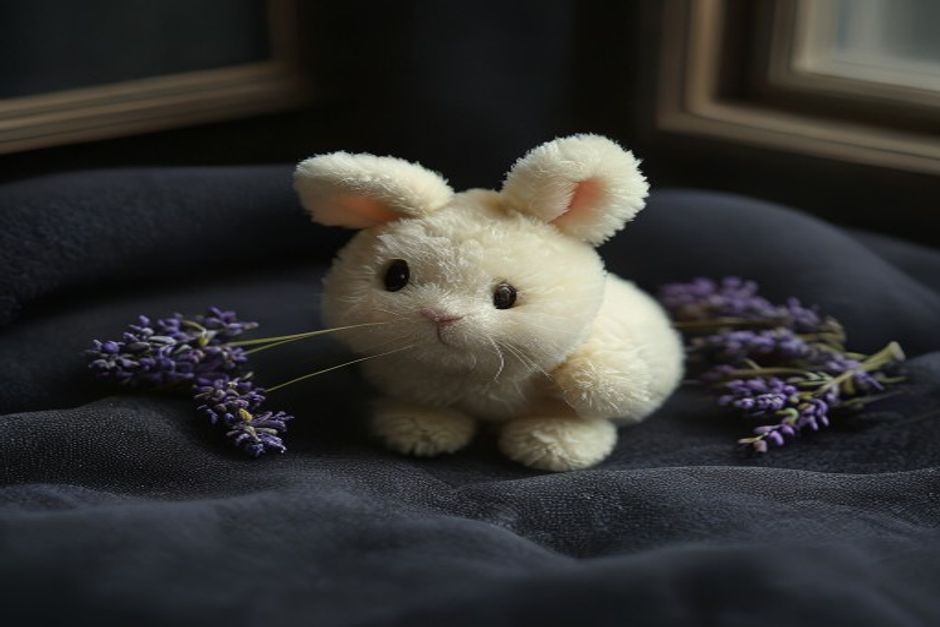
Jellycat · Bashful Bunny, medium 31cm
Review: The Jellycat Bashful Bunny, Still the One Worth Buying
The brand that turned the soft toy into a luxury object. Machine-washable, holds its shape, and the resale market on Vinted is real. The bunny is the entry point; once you have one, you have a problem.
Where to buy
A £20 soft toy that survives a toddler’s worst.
Big Brand: Ralph Lauren Kids Cotton Polo
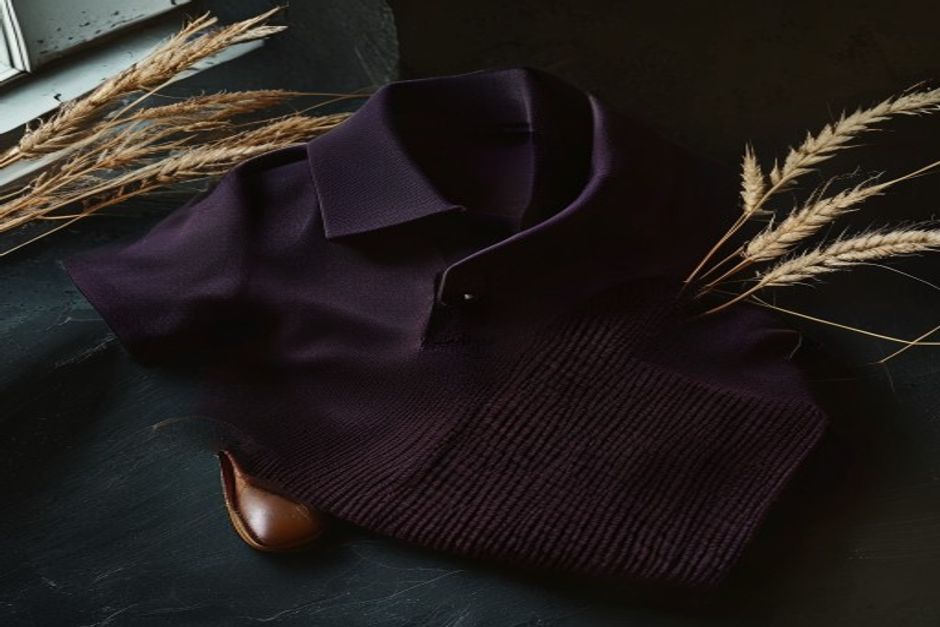
Ralph Lauren · cotton polo, £25 to £80
Ralph Lauren Kids: Full Price vs Outlet, What’s Actually Worth Buying
The cotton polo and the oxford shirt are worth it at full price, better fabric, better cut, the kind of thing that gets handed down. Everything else, buy at The Outlet or Vinted. The logo isn’t worth 4× the cost. Here’s the full price list ranked.
Where to buy
The polo, yes. The full price, no.
Small Maker: Grimm’s Large Rainbow
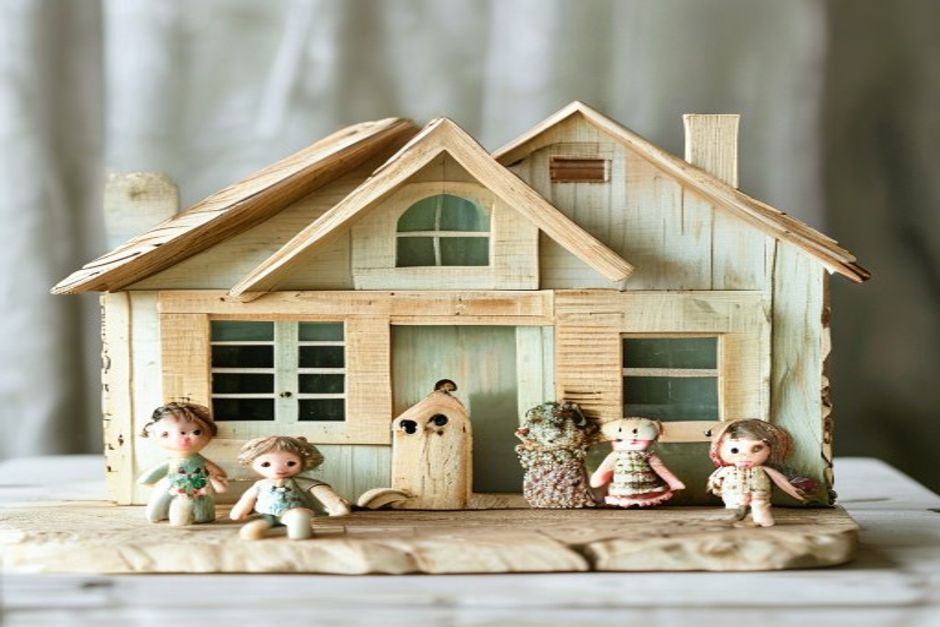
Grimm’s · Large Rainbow, 12 pieces
The Grimm’s Large Rainbow
Babies mouth it. Toddlers stack it. Five-year-olds build with it. Natural dye colours, solid enough to survive a decade on the floor. The defining Montessori toy, and one of the most beautiful objects in any room.
Where to buy
The wooden toy that transcends age groups.
Big Brand: Lovevery The Play Kit
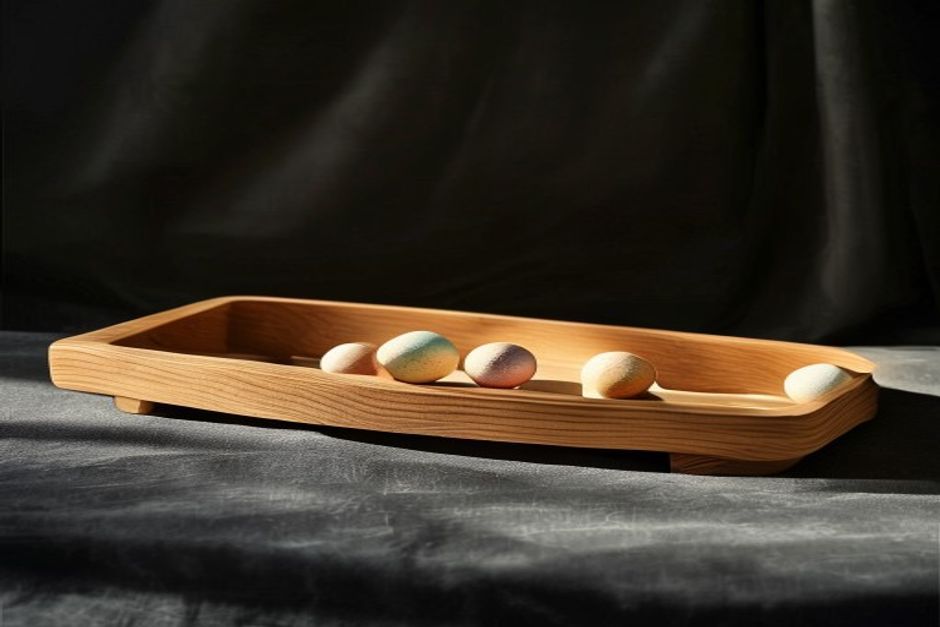
Lovevery · The Play Kit, 0 to 12 months
Review: Lovevery Play Kits, Are the £80 Subscription Boxes Worth It?
The first kit (0-12 months) is genuinely well-designed, the developmental research is real, and the wood quality is high. The catch: the subscription is £80 every three months for two years. By month 18, you’re getting toys that overlap with what’s already in the house. Buy the first kit. Don’t subscribe.
Where to buy
The first kit is excellent. The subscription is a stretch.
Small Maker: Le Toy Van Sweetheart Cottage
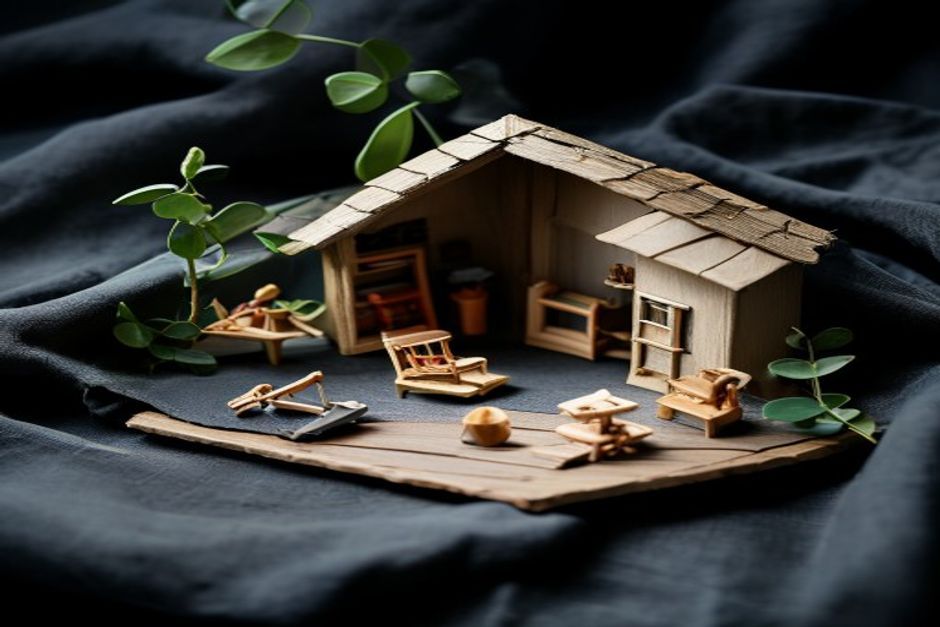
Le Toy Van · Sweetheart Cottage, 13 pieces of furniture
Review: Le Toy Van Honeysuckle Cottage Doll’s House
Wood composite with a painted finish that doesn’t chip. The included furniture is a starting point; the joy is buying a single new piece every birthday and watching the house fill up over a decade. Has been in production for fifteen years, which tells you everything.
Where to buy
A dolls’ house with the weight and finish of the one you remember.
We’ve rounded up the rest of the range worth buying in our Le Toy Van edit.
The pattern, in one line
Big brands are worth the money when the construction matches the price. Small makers are worth the money when the design has survived generational testing. Mid-tier is where the value falls off. The score column doesn’t care which is which.
This piece is a draft. The product mix, the scores, the verdict lines, all of it is up for debate. The point of the exercise is to demonstrate that the editorial card design works across the full price range (£20 to £1,500) and across brand tier (small maker, big brand, premium maker, premium gear) without breaking. The signature elements (the big italic number, the verdict line, the score badge, the price tag, the multi-retailer “Where to buy”) read as a single design language regardless of which product is being reviewed.