 Boujee Kids
Updated 24 September 2026.
It’s Christmas. Well, not yet. Start with a shorter list, not a bigger basket.
One main present. Two small things.
Write down the thing they return to most: building, pretend play, stories or being outside. Choose a main present around that. Leave the smaller gifts until you know what comes with it.
Set a total budget before splitting it between presents. A £25, £50 or £100 limit is a planning choice, not a promise that a particular product costs that amount.
A list to share with grandparents
For each idea, note the child’s age, the exact product or edition, what they already have, available storage space and your maximum spend. Agree who is buying what before anyone orders. Keeping this in your own notes avoids sharing children’s details with the site.
Start with the way they play.
These are researched starting points, not hands-on tests. Check current price, stock and suitability with the retailer.
- For a toddler finding their feet
A starting point for the 1–2-year-old list. Check each product’s own age guidance.
- For the pretend-play corner
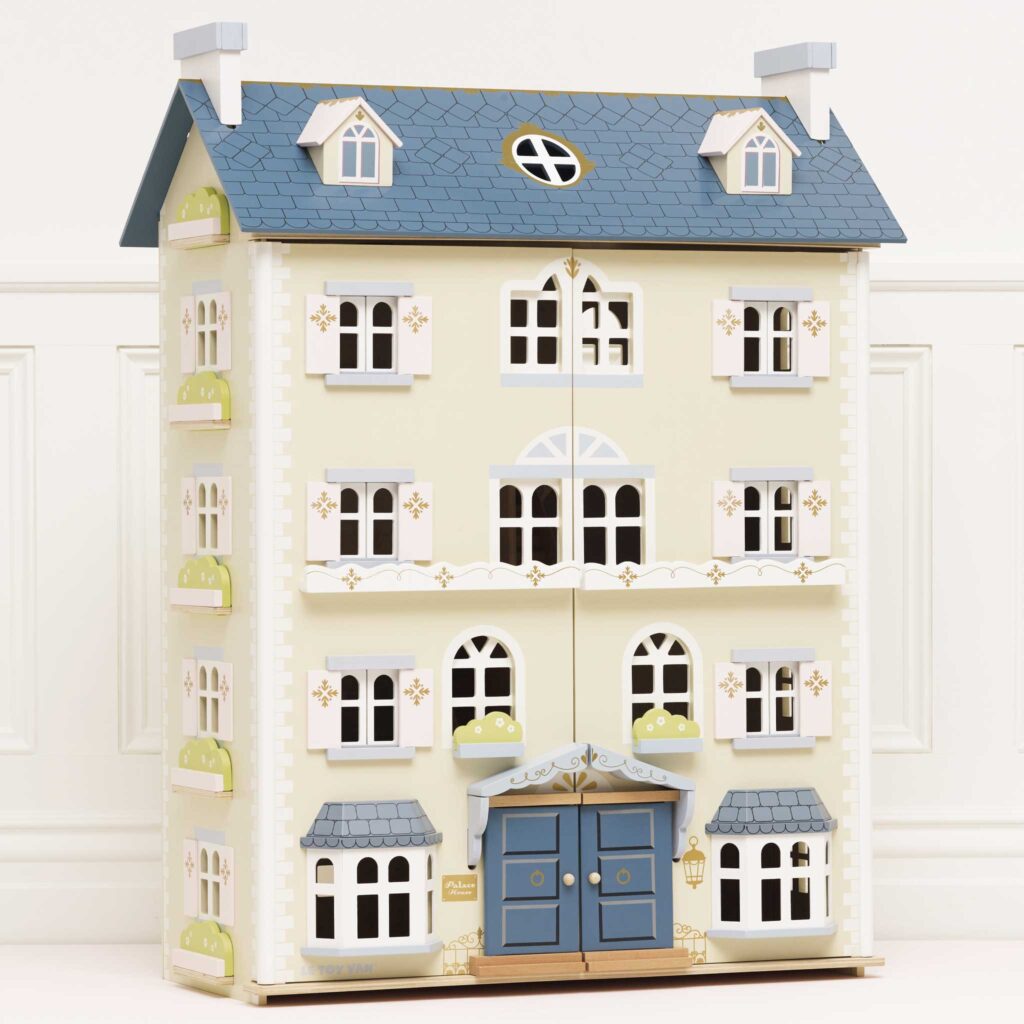
Read the wooden-toy edit, then check dimensions, included pieces and small-part guidance.
- For a child who asks for one more story
Compare the players and the cost of adding stories before choosing an ecosystem.
- For shared play at home
Measure the room and think about storage before adding a play sofa.
- For a coordinated nursery gift
Check the exact item with the parents; matching colours do not establish age suitability.
Before anything goes in the basket.
- Confirm the product’s age guidance, contents and size.
- Check the retailer’s current price, returns window and delivery terms.
- Compare with what the family already owns. A duplicate needs a reason.
We are not listing unverified Christmas prices or delivery deadlines here. Full-price gifts can be worthwhile; they are not automatically deals.