 Boujee Kids
In this review or guide
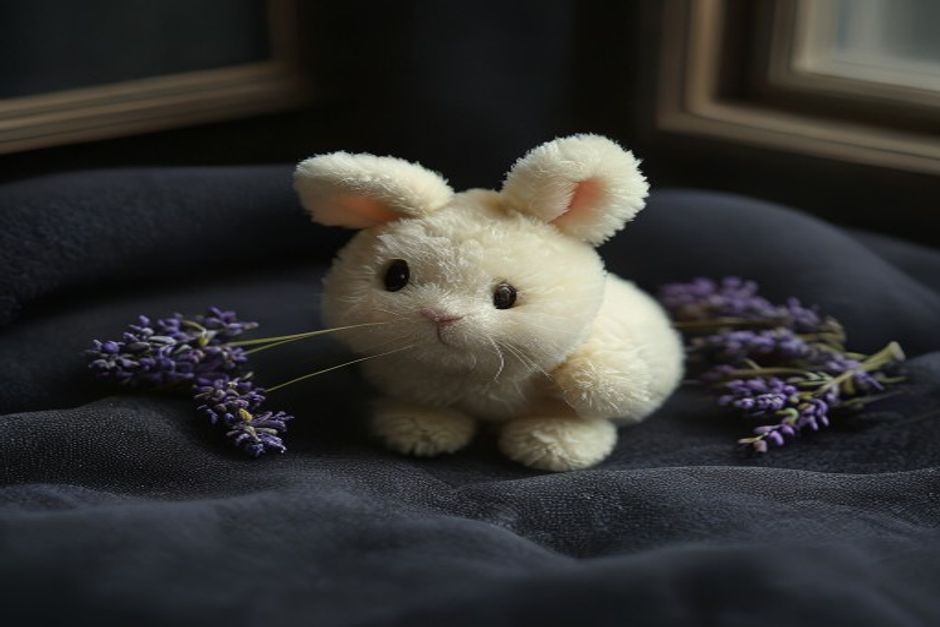
The Bashful Bunny is an appealing choice for someone who likes a simple, floppy soft toy. This is a research-led assessment of the range. Sizes and care instructions vary, so match the exact listing to the recipient before comparing prices.
Jellycat · London brand, founded 1999
Bashful Bunny
A floppy soft-toy range in different sizes and colours. Check the exact toy’s age and care labels; we have not verified a resale return or measured durability.
Check price on AmazonThe honest question
The buying question is whether this is the soft toy the child actually wants. A familiar character, a manageable size or a colour they like can matter more than the brand. Paying more does not by itself guarantee a toy will last longer or become a favourite.
Why the brand exists
Jellycat is a London company, founded in 1999, and it built its reputation on one thing: a particular quality of softness that competitors have spent two decades trying to match. We would not claim no one has come close, that is unprovable, but the brand’s signature plush remains the reference point others are measured against. Bashful, the floppy seated bunny with the drooping ears, is the design that made the name. It is not loud, licensed, or covered in slogans. It is just very well made, and that restraint is part of why it ages well in a child’s room rather than dating.
The build, in real terms
What you are paying for is genuinely in the construction, not just the label.
- A soft-plush look; texture and care vary by release.
- Weighted, floppy limbs that sit and droop convincingly, the detail small hands respond to.
- Check the exact product’s age label and construction; do not infer suitability from its appearance.
- Follow the sewn-in care label for the exact toy. Do not apply heat or a washing method borrowed from a different release.
What it is not
Read the toy’s own label and verify who is selling it. We cannot establish authenticity from a listing photograph or promise how the fabric will wear. Consider whether the recipient wants this particular toy rather than buying for an expected resale value.
Does it pay for itself
A soft toy is not a dependable investment. We have not verified a resale floor for this range, and a used item’s value depends on its condition and whether anyone wants that particular design. Buy it for use, not for an expected return.
The verdict
The Bashful Bunny is worth considering when its size and style suit the recipient. Compare it with the toys they already have, check the care label, and buy from a retailer whose authenticity and returns terms you can verify. This is an editorial recommendation, not a durability test. How we score
Where to buy
Check the retailer, size and product code rather than buying from a photograph alone. Similar names do not guarantee identical dimensions or care instructions. If buying second-hand, ask about condition and whether the original labels remain attached.
Score: 9.1/10. How we score.